Discover Endless Colorful Glasses Lens for Your Style
Dec 15, 2025
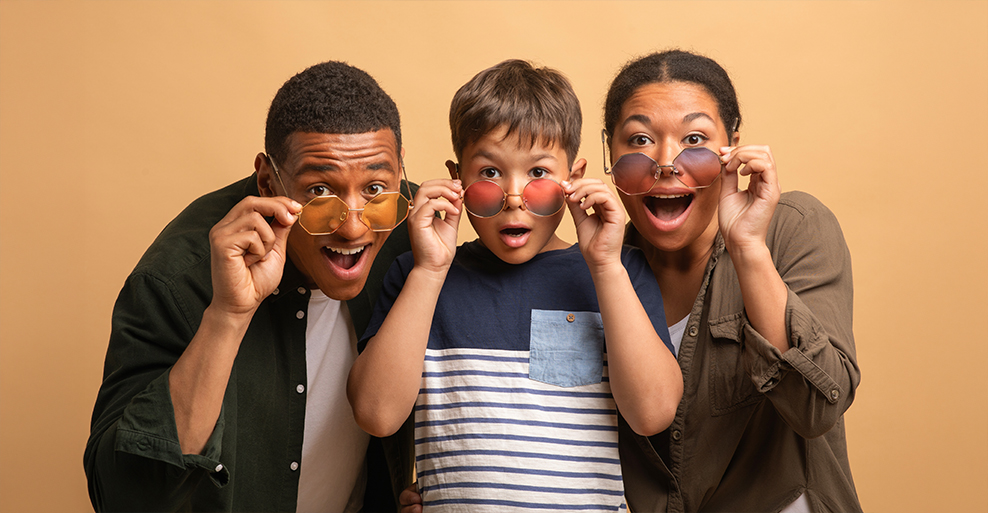
Colored eyeglass lenses improve visual comfort by filtering specific wavelengths of visible light, which reduces glare, eye strain, and brightness imbalance. Unlike clear lenses, colored lenses actively interact with visible light. They can reduce eye strain during prolonged screen use, enhance contrast in bright outdoor conditions, and determine how accurately colors are perceived. From driving and sports to digital work and everyday wear, lens color plays a measurable role in how clearly and comfortably we see. Understanding how colored eyeglass lenses work and how different tints affect vision is the foundation for choosing the right lens for both performance and personal style.
What Are Colored Eyeglass Lenses and How Do They Work?
Colored eyeglass lenses are optical lenses that filter specific wavelengths of visible light to control brightness, contrast, and glare. By altering light transmission and color balance, lens tints influence visual clarity, eye comfort, and perception in different environments.
How Lens Color Changes Light Transmission and Contrast?
Lens color changes light transmission by selectively filtering specific wavelengths, which alters contrast, brightness, and depth perception. Each lens color alters vision by filtering light differently:
- Brown, amber, and copper lenses reduce blue light, increasing contrast and depth perception.
- Gray lenses lower overall brightness while preserving natural color balance.
- Green lenses balance contrast enhancement with accurate color perception.
By removing or reducing certain wavelengths, colored lenses help the eyes process visual information more efficiently, especially in high-glare or high-brightness situations.
Visible Light Transmission (VLT) and Visual Comfort
Visible Light Transmission (VLT) refers to the percentage of visible light that passes through a lens. It is one of the most important technical factors in tinted eyewear.
- Low VLT (8–25%): Suitable for bright sunlight and glare-heavy environments.
- Medium VLT (25–50%): Balanced use for outdoor and everyday activities.
- High VLT (50–90%): Ideal for low-light or overcast conditions.
A darker lens color does not always mean better eye comfort. Matching the correct VLT level with the right lens color ensures optimal visibility, reduced eye strain, and consistent visual performance throughout the day.
How Colored Lenses Interact With Blue Light Compared to Blue-Light Glasses?
Colored eyeglass lenses are not designed specifically to block blue light. Their primary function is to manage brightness, contrast, and glare, although some warm tints naturally reduce short-wavelength blue light as a secondary effect.
Brown and amber lenses absorb part of the blue spectrum, which can improve visual comfort in bright conditions. However, this effect is broad and non-selective. Blue-light glasses, in contrast, are engineered to filter a specific blue-light range (around 400–450 nm) associated with digital screens and artificial lighting. This effect is incidental and should not be confused with purpose-built blue light filtering lenses.
What Are the Popular Types of Colored Eyeglass Lenses by Visual Function?
Different lens colors modify how light enters the eye, affecting contrast, glare reduction, and color perception. Lens colors are categorized based on how they filter wavelengths, alter contrast, and adapt to lighting environments.
High-Contrast & Neutral Lenses (Brown, Gray)
High-contrast and neutral colored lenses are designed to improve clarity and control brightness without overwhelming the visual system. Typical high-contrast lens colors are:
- Brown, Amber, and Copper Lenses: Brown, amber, and copper lenses filter blue light, which enhances contrast and depth perception. They improve visual definition in bright or variable lighting and help the eyes distinguish details more clearly. These lenses are commonly used for driving, outdoor activities, and environments with strong sunlight.
- Neutral Gray Lenses: Gray lenses reduce overall brightness evenly across the visible spectrum. They preserve natural color accuracy while minimizing glare, making them suitable for everyday wear, driving, and light-sensitive users who need consistent visual balance.
Outdoor & Performance Lenses (Green, Blue, Smoke)
Outdoor lenses are optimized for glare reduction and visual stability in high-brightness environments. Typical outdoor lens colors are: green, gray-green, blue, and smoke.
- Green and Gray-Green Lenses: Green lenses reduce glare while maintaining accurate color perception. They balance contrast enhancement with visual comfort, making them suitable for extended outdoor use and activities requiring long periods of focus.
- Blue and Smoke Lenses: Blue and smoke lenses are designed for environments with strong reflections, such as water or snow. They enhance visibility by reducing surface glare and are often used in sports and performance eyewear.
Fashion & Comfort Lenses (Rose, Pink, Purple)
Comfort-focused lenses prioritize visual softness and reduced eye strain, especially in controlled lighting environments.
- Rose and Pink Lenses: Rose and pink lenses soften harsh light and reduce visual fatigue. They are commonly used for digital screen environments and variable indoor lighting.
- Purple and Soft Fashion Tints: Purple and similar soft tints provide gentle light filtering with a strong aesthetic component. They are typically chosen for casual, indoor, or lifestyle use where visual comfort and style are equally important.
Coated & Adaptive Lenses
Reflective and coated colored lenses use surface treatments to control glare, manage brightness, and adapt to changing light conditions. These lenses enhance visual comfort and performance beyond standard solid tints.
Mirrored Lenses: Mirrored lenses have a reflective outer coating that bounces back strong light and reduces glare in bright environments like snow, water, or sand. They improve visual comfort, offer UV protection, and add privacy by hiding the eyes.
Gradient Lenses: Gradient lenses are darker at the top and lighter at the bottom, protecting against overhead sunlight while keeping near vision clear. They are popular for driving and everyday wear due to their balance of comfort and usability.
Iridescent & Photo-reactive Coatings: Iridescent coatings create multi-color reflections for glare reduction and a modern look. Photo-reactive lenses automatically darken outdoors and remain clear indoors, making them ideal for users who move between different lighting environments.
Two-Tone Lenses
Two-tone lenses combine two gradient tints or colors. This creates a striking look and enhances vision. A blue-to-brown gradient reduces glare from overhead light. It keeps the lower vision clear. In contrast, blue and purple tones offer a fun, smooth color shift. In the same way, Yellow & Pink lenses give a vibrant, expressive look with great contrast.
Two-tone lenses maintain optical balance while offering aesthetic contrast, making them suitable for extended daily wear. Despite their decorative appearance, two-tone lenses are designed to maintain balanced light transmission and visual comfort across different viewing zones. Now that we understand how different tints interact with light, choosing the right lens depends on usage context rather than color preference alone.
How to Choose the Right Color Lens?
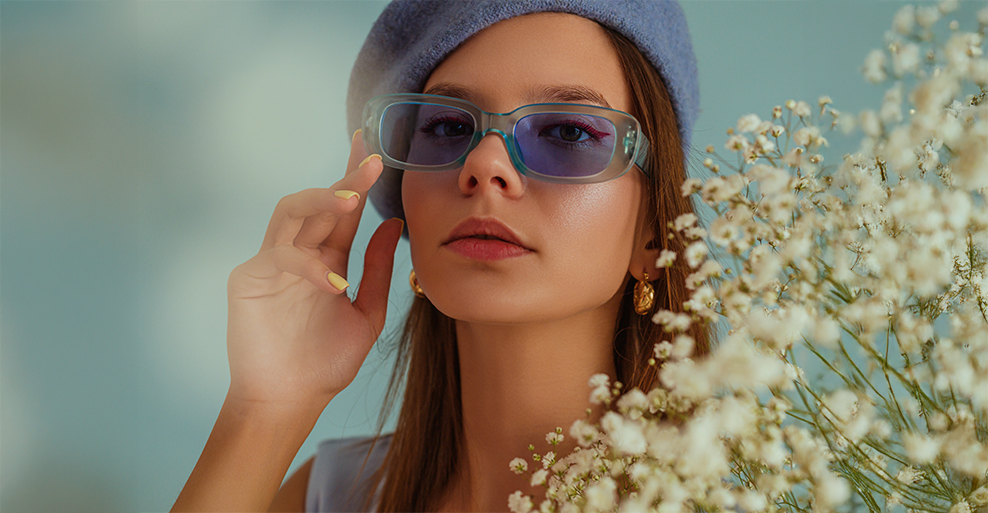
To choose the right lens color, you should consider where you use your glasses, how strong the lighting is, and what kind of visual comfort you need. Instead of choosing by color preference alone, the most effective approach is to match lens color and visible light transmission (VLT) to real-life scenarios.
What’s the Best Color Lens for Driving?
For driving, lenses should reduce glare without distorting traffic signal colors or dashboard visibility. Brown and gray lenses are the best options, with a VLT range of 10–25%. Brown lenses enhance contrast and depth perception in changing light, while gray lenses preserve natural color accuracy. Polarized lenses can further reduce glare from roads and windshields.
- Recommended VLT: 10–25%
- Best Colors: Brown, Gray
- Optional Enhancements: Polarized lenses, Anti-reflective coating
What’s the Best Color Lens for Bright Outdoor and Sunlight Conditions?
In bright sunlight, the goal is to control overall brightness and prevent eye fatigue during extended outdoor exposure. Gray, brown, or green lenses with a VLT of 8–20% work best. These lenses stabilize light intensity and reduce squinting. Mirrored coatings can be added in extremely bright environments.
- Recommended VLT: 8–20%
- Best Colors: Gray, Brown, Green
- Optional Enhancements: Mirrored coating, UV400 protection
What’s the Best Color Lens for Water Sports and Snow?
Water and snow create intense surface reflections that strain vision.
Brown or green polarized lenses with a VLT of 8–15% are ideal. Polarization significantly reduces glare from reflective surfaces, improving visual comfort and clarity.
- Recommended VLT: 8–15%
- Best Colors: Brown, Green
- Optional Enhancements: Polarization, Hydrophobic coating
What’s the Best Color Lens for Sports and Performance Activities?
Sports require quick visual response, enhanced contrast, and stable focus in dynamic lighting. Amber, brown, or green lenses with a VLT of 15–30% improve contrast and help distinguish details more clearly during fast-paced activities.
- Recommended VLT: 15–30%
- Best Colors: Amber, Brown, Green
- Optional Enhancements: Polarization, Impact-resistant materials
What’s the Best Color Lens for Digital Screens and Indoor Use?
For screen-heavy or indoor environments, brightness balance matters more than sun protection. Light rose, pink, or subtle amber lenses with a high VLT of 50–80% maintain sufficient brightness while reducing visual fatigue during prolonged digital use.
- Recommended VLT: 50–80%
- Best Colors: Light Rose, Pink, Subtle Amber
- Optional Enhancements: Anti-reflective coating, Blue-light filtering layer
What’s the Best Color Lens for Low-Light or Foggy Conditions?
In low-light or low-contrast environments, enhancing visual definition is more important than blocking light. Yellow or light orange lenses with a VLT of 50–90% improve contrast and visibility in fog, overcast weather, or dim conditions.
- Recommended VLT: 50–90%
- Best Colors: Yellow, Light Orange
- Optional Enhancements: Anti-fog coating
What’s the Best Color Lens for Everyday Fashion and Casual Wear?
For everyday lifestyle use, lenses should balance comfort, appearance, and adaptability across lighting conditions. Light gray, green, or soft fashion tints with a VLT of 40–80% work well for indoor–outdoor transitions. Gradient or two-tone lenses add versatility without sacrificing visual comfort.
- Recommended VLT: 40–80%
- Best Colors: Light Gray, Green, Soft Fashion Tints
- Optional Enhancements: Gradient lenses, Two-tone designs
Coordinate Colored Lenses with Outfits
Colored eyeglass lenses can complement your style once visual comfort is ensured. Neutral tints like gray and green pair easily with both formal and casual outfits, while brown and amber tones suit warm color palettes and natural looks. For a bold or creative style, blue, purple, or pink lenses act as fashion accents, and mirrored finishes add a modern touch for outdoor or summer.
The guiding rule: choose lens color for function first, then style.
Try 3D Virtual Try-On
Advanced 3D try-on technology enables users to preview colored lenses before purchase. Digital optical simulations map faces in real-time. They show how each tint works with different facial features and lighting. This approach not only enhances user confidence but also reduces product returns. Eyewear retailers adopting virtual try-on solutions saw a 35% increase in customer satisfaction. Augmented reality in eyewear shopping connects precision with style. It allows consumers to easily discover their perfect lens color.
Why Colored Eyeglass Lenses Are Becoming More Popular?
Colored eyeglass lenses are becoming more popular because they improve visual comfort, reduce glare, and adapt vision to modern lighting conditions more effectively than clear lenses.
- Reduced eye strain: Certain tints limit short-wavelength blue light from screens and artificial lighting, helping minimize visual fatigue during prolonged digital use.
- Improved glare control: Brown, gray, and green lenses stabilize brightness and reduce harsh reflections from sunlight, roads, and water surfaces.
- Enhanced contrast and clarity: By filtering specific wavelengths, colored lenses help the eyes distinguish details more easily in bright or variable light.
- Better adaptability: Advances such as UV400 protection, polarization, and photochromic coatings allow tinted lenses to perform across multiple environments.
- Consistent all-day comfort: Balanced light transmission helps maintain visual stability indoors, outdoors, and in changing conditions.
FAQs
Which lens color is the best for driving?
Brown and gray lenses are the most suitable for driving. Brown lenses boost contrast and depth perception in bright or changing light. Gray lenses, on the other hand, keep colors true and cut glare from shiny surfaces. Both options improve visual clarity and reduce eye strain during long drives.
Are colored lenses bad for your eyes?
No. Colored lenses are safe when they include UV400 protection and are correctly tinted. Poor-quality lenses without UV filtering may cause eye strain, but properly coated colored lenses improve comfort rather than harm vision.
Can you wear colored lenses indoors?
Yes, light-colored lenses can be worn indoors comfortably. Tints with high VLT, such as light rose or subtle amber, maintain sufficient brightness while improving comfort during screen use.
Do colored lenses affect color accuracy?
Some colored lenses slightly alter color perception. Gray lenses preserve true colors, while brown and amber lenses enhance contrast by warming tones. The effect depends on tint strength and lens purpose.
Are tinted lenses suitable for astigmatism?
Yes, tinted lenses are fully compatible with astigmatism prescriptions. Lens color does not interfere with corrective power when properly manufactured.