Farsighted vs Nearsighted Glasses Explained: Causes, Symptoms, and Solutions
May 06, 2026
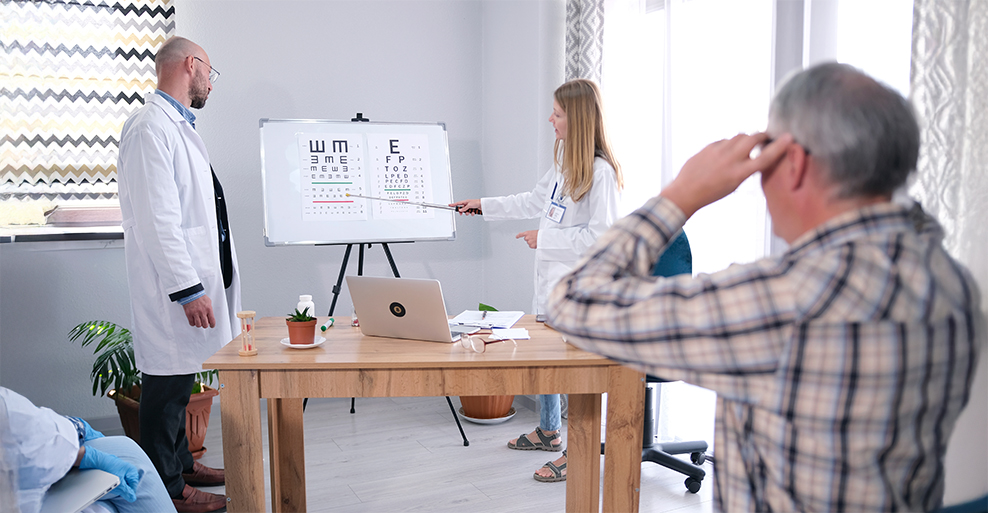
Nearsightedness and farsightedness are two of the most common vision conditions affecting people of all ages. The two conditions are related to light focusing inside the eyes. Still, the way they disrupt vision is totally opposite - one mostly troubles distance vision, whereas the other hampers near vision. Knowing this difference is key and will let you spot symptoms, understand your eyeglass prescription, and select lenses for clear, comfy vision. In this section, we focus on nearsightedness to explain what it is, why it develops, how it affects daily life, and how glasses correct it.
What Is Nearsightedness (Myopia)?
Nearsightedness, also known as myopia, is a vision condition in which nearby objects appear clear while distant objects look blurred. Myopia occurs when the eyeball is slightly longer than normal or the cornea is too curved. As a result, incoming light focuses in front of the retina. This causes distant objects to look blurred, while close-up vision remains sharp.
What Causes Nearsightedness?
Below are the main causes of nearsightedness:
Genetics: A family history of myopia increases the likelihood of developing the condition, as the genetic makeup can influence eye shape and structure.
Eye Shape: The eyeball may be too long or the cornea may be overly curved, causing light to focus in front of the retina rather than directly on it.
Excessive Near Work: Activities that require focusing on close objects, like reading, using digital devices, or writing for extended periods, can strain the eyes and increase the risk of developing myopia.
Lack of Outdoor Time: Insufficient exposure to natural light, especially in childhood, has been linked to a higher risk of developing myopia.
Common Symptoms of Nearsightedness
People with nearsightedness typically experience difficulty seeing things at a distance. Common signs include blurry road signs, trouble recognizing faces from afar, and difficulty viewing presentations or classroom boards. Squinting can help you see better, but it may also cause eye strain, fatigue, or headaches. This is especially true after looking at things from a distance for a long time.
How Nearsighted Glasses Work?
Nearsighted glasses use concave, or minus, lenses to correct distance blur. Such lenses work by gently diffusing the light coming through before it reaches the eye. By doing this they move the focal point backward so that it falls exactly on the retina. The result is clear vision at a distance. Since the eyes don’t work as hard to focus, there’s less strain. This makes the person more comfortable and allows for clear sight throughout the day.
What Is Farsightedness (Hyperopia)?
Farsightedness (hyperopia) is a vision condition where near objects appear blurry because light focuses behind the retina instead of directly on it. Farsighted glasses correct this focus error and restore clear near vision.
This section explains ideas based on optical reference standards. It also covers principles of prescription lenses:
How farsightedness affects vision at different distances.
How farsighted glasses differ from nearsighted glasses.
When farsighted symptoms usually appear and why they change over time.
Vision Challenges at Different Distances
Farsightedness mainly affects near vision. Reading, phone use, and close-up tasks often feel uncomfortable or blurry. Younger eyes may keep their distance vision clear. They can focus harder to adjust. As hyperopia increases, both near and distance vision can become blurry. Keeping your eyes focused all the time can cause strain. This often leads to fatigue and discomfort, especially during long visual tasks.
Lens Design and Prescription Type
Farsighted glasses use convex (plus) lenses to move light forward onto the retina. These lenses are thicker at the center and thinner at the edges. A lens' contours will determine its mass and thickness, in addition to the shapes with which it will be compatible. Extremely farsighted prescriptions need the right lenses. This makes them lighter and keeps the wearer comfortable.
To make lenses for hyperopic prescriptions thinner and lighter, the best way is to increase the refractive index of the lens material. This is especially true for high prescriptions.
When Symptoms Typically Appear?
Farsightedness can be present from childhood but may not cause symptoms early on. Young eyes often focus harder, hiding the condition. Symptoms usually appear later, especially when the eyes work harder or as focusing power decreases with age. Adults may experience eye strain, headaches, or have trouble reading small print.
Over time, farsightedness may worsen. This can make the right pair of glasses necessary for comfortable vision all day.
Choosing the Right Glasses for Your Vision Needs
Choosing the right glasses depends on how many viewing distances need correction and how your vision changes over time. The correct lens type improves clarity, reduces eye strain, and supports comfortable daily use. This section explains:
When single-vision glasses are the best option.
How multifocal lenses handle multiple vision distances.
How to know when your prescription needs updating.
Single-Vision Glasses
Single-vision glasses correct one viewing distance only, either near or far. They are commonly prescribed for nearsightedness and farsightedness. These lenses provide consistent clarity across the entire lens surface. They are simple, lightweight, and easy to adapt to. Single-vision glasses work well for everyday tasks when only one distance requires correction.
Multifocal Options
Multifocal lenses correct more than one viewing distance in a single pair of glasses. Some typical examples are bifocal and progressive lenses. Bifocal lenses feature two separate vision areas, most commonly divided by a noticeable line. Progressive lenses provide a smooth transition for distance, intermediate, and near vision. They do this without any visible lines. The best multifocal option depends on daily activities such as reading, computer work, and driving.
When to Update Your Prescription?
Prescription glasses should be updated when vision becomes blurry or uncomfortable. Frequent headaches, eye strain, and trouble focusing are common signs of change. Regular eye checkups are key to keeping your prescription accurate. Usually, an adult is advised to have an eye examination once every one or two years. New glasses not only help to see clearly but also lessen the strain and keep your eyes comfortable for a longer period.
Conclusion
Nearsightedness and farsightedness affect vision in opposite ways, but both can be corrected effectively with the right glasses. Properly designed lenses guide light onto the retina, restoring clear focus and reducing eye strain in daily life.
Knowing if you are nearsighted or farsighted is mainly what determines the right kinds of lenses for your eyes. With the right prescription and lens type, reading and driving will be more enjoyable. Your vision will also be clearer.
At GlassesShop, we provide tailored solutions for nearsighted and farsighted users. We combine custom prescription lenses with frames designed for stability, comfort, and style. This way, you get the perfect fit and look for your needs. Whether you need reliable everyday eyewear or a statement look, our options make it easy to find the right fit. Use our Face Shape Detector to choose confidently, and enjoy Buy One Get One Free plus free shipping on orders over $69—because clear vision should always feel personal and effortless.