How to Prevent Bad Eyesight in Kids?
Oct 22, 2026
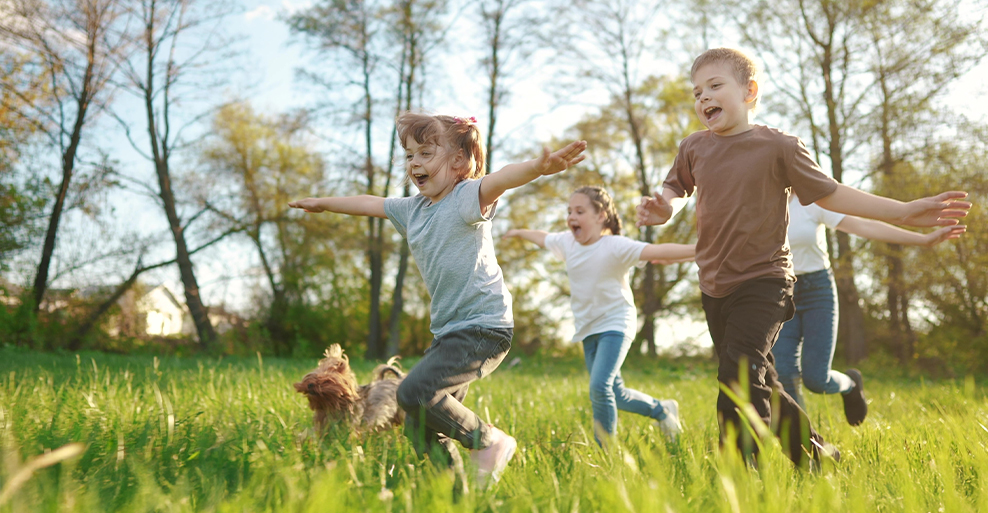
Children’s eyesight develops rapidly, and the habits they build at home, at school, and during screen time can influence their long-term visual health. While some vision problems are related to genetics and cannot be completely prevented, many everyday habits can help support healthy vision.
With more screen time, less outdoor activity, and increasingly demanding schoolwork, parents naturally wonder how to prevent bad eyesight in kids. The goal is not to keep children away from books, tablets, or computers, but to create a healthier balance between near work, outdoor time, rest, and regular eye care.
This guide explains what can affect a child’s eyesight, which daily habits can help protect kids’ vision, and when parents should consider professional eye care or kid eyeglasses.
What Can Affect a Child’s Eyesight?
Several factors can shape how well a child sees. Genetics matter, but lifestyle and visual habits can also influence the development or progression of common vision problems such as myopia.
Genetics Play a Role, but Lifestyle Matters Too
A family history of myopia can increase a child’s likelihood of developing nearsightedness. However, genetics are only one part of the picture.
Family history can increase a child’s risk: Children with one or both parents who have myopia may be more likely to develop it themselves.
Healthy visual habits may help: Spending time outdoors, taking breaks from prolonged near work, and developing good screen habits can support healthier vision.
Genetic and environmental factors work together: A child may inherit a higher risk, while everyday activities can still influence how quickly visual problems develop.
This is why parents should focus on practical habits rather than assuming that poor eyesight is inevitable. Supporting a child’s visual environment early is a useful part of overall eye care.
Too Much Near Work Can Strain Young Eyes
Reading, homework, tablets, phones, and computers all require children to focus on objects at a relatively close distance. Long periods of uninterrupted near work can make the eyes feel tired and uncomfortable.
Children may spend hours reading, using tablets, or looking at phones without realizing that they have been focusing at close distances for an extended period.
Helpful habits include:
Take regular breaks from close-up tasks: Encourage children to look away from books and digital devices throughout longer study sessions.
Vary near and distance activities: Mix reading, writing, and screen use with activities that allow children to look farther away.
Create a comfortable visual routine: A balance between close work and distance viewing can make everyday activities easier on young eyes.
Parents do not need to eliminate screen use or homework. The more practical goal is to prevent children from spending hours on near tasks without a break.
Limited Outdoor Time May Increase Myopia Risk
Outdoor activity is another important part of healthy visual development. Research has associated greater time spent outdoors with a lower risk of developing myopia in children.
Natural daylight also gives children more opportunities to focus at different distances instead of constantly concentrating on nearby objects.
Parents can encourage outdoor time by:
Making outdoor play part of the daily routine: A walk, bike ride, playground visit, or outdoor game can add natural distance viewing to a child’s day.
Giving children opportunities to focus at different distances: Looking across a park or playground naturally changes the distance at which the eyes focus.
Making outdoor activity easy to maintain: Outdoor time does not have to be a special event; it can simply become part of the family’s normal routine.
A healthy balance of indoor and outdoor activities can support both general wellbeing and children’s visual habits.
Daily Habits That Help Protect Kids' Vision
Parents often look for complicated ways to take care of eyes naturally, but many helpful habits are surprisingly simple. Good lighting, sensible screen limits, sufficient sleep, physical activity, and comfortable reading conditions can all contribute to better visual comfort.
Build Healthy Screen Time Habits
Screens are part of modern childhood, whether children use them for schoolwork, entertainment, or communication. Rather than banning screens altogether, parents can teach children how to use them more comfortably.
Set age-appropriate limits for recreational screen time: Make a distinction between necessary schoolwork and recreational device use.
Use the 20-20-20 rule: During extended screen sessions, encourage children to look about 20 feet away for 20 seconds every 20 minutes.
Position screens at a comfortable distance: A screen should not be held extremely close to the face, especially during extended use.
Encourage regular breaks: Short pauses can give children an opportunity to relax their focusing system and blink normally.
Children may not remember to follow these habits on their own, so parents can make breaks part of the household routine.
Some parents also consider eyeglasses for screen protection or screen protector eyeglasses. These may be useful for comfort depending on the lenses and the child’s visual needs, but they should not be viewed as a replacement for healthy screen habits or professional eye examinations.
Encourage an Eye-Friendly Lifestyle
Healthy vision is connected to a child’s overall routine. Daily eye exercise, sleep, nutrition, and posture all contribute to a healthier daily environment.
Add physical activity and outdoor play: An active routine provides children with regular breaks from close-up schoolwork and digital devices.
Make sure children get enough sleep: Adequate rest is important when children spend long days learning, playing, and using screens.
Encourage good posture: Children should sit comfortably when reading or using a device instead of leaning excessively close to the screen or book.
Maintain a balanced diet: A varied diet provides nutrients that support general health, including eye health.
These habits do not guarantee perfect eyesight, but they create a stronger foundation for children’s overall well-being.
Create Better Reading and Study Habits
A child’s study environment can make a noticeable difference in visual comfort. Poor lighting, awkward posture, or holding a book too close can make reading more tiring.
Start with a simple setup:
Keep books and screens at an appropriate distance: Children should not need to bring reading materials unusually close to see them clearly.
Use well-lit study spaces: Good lighting helps children read comfortably and reduces the need to squint.
Mix reading, writing, and outdoor activities: Instead of spending an entire afternoon on one close-up task, encourage children to switch activities periodically.
Children who consistently move closer to books, squint while reading, or complain that their eyes feel tired may need a vision check rather than simply a better desk lamp.
When Should Parents Take Action?
Good habits can support healthy vision, but they cannot replace professional eye care. Some vision problems may develop without obvious symptoms, especially when children are too young to recognize that their vision is different from normal.
Watch for Early Warning Signs
Parents should pay attention to changes in the way a child looks at books, screens, people, and objects in the distance.
Potential warning signs include:
Squinting to see clearly
Sitting unusually close to a television, tablet, or computer
Rubbing the eyes frequently
Complaining about headaches or eye discomfort
Losing interest in reading
Having difficulty seeing the classroom board
Tilting or turning the head to see better
Struggling with tasks that previously seemed easy
A child may not say, “I cannot see clearly.” Instead, the problem may appear as changes in behavior, school performance, or reading habits.
Difficulty seeing the classroom board or losing interest in reading can sometimes be mistaken for a lack of attention when an uncorrected vision problem is actually involved.
Schedule Regular Eye Exams
Regular eye exam can identify visual problems before children clearly recognize their symptoms.
Eye care professionals can assess visual development, check for refractive errors, and determine whether a child needs correction.
Regular examinations are especially useful because:
Children may not notice gradual vision changes: If poor distance vision develops slowly, a child may assume that what they see is normal.
Early detection can support earlier management: Identifying a problem sooner gives parents and eye care professionals more options for managing it.
Vision affects learning and everyday activities: Clear vision can make reading, classroom work, sports, and play easier.
Parents should follow the eye-care schedule recommended for their child rather than waiting until a noticeable problem appears.
Choose the Right Eyewear When Needed
When an eye care professional recommends correction, choosing suitable frames is about more than appearance. Children need eyewear that stays comfortable and secure during school, play, and daily activities.
When selecting kids prescription eyeglasses, pay attention to:
A secure and comfortable fit: Frames should stay in place without pressing excessively against the nose, ears, or temples.
Durability: Children’s eyewear needs to handle active daily use, so sturdy materials and reinforced construction can be valuable.
Lightweight design: Lightweight kid eyeglasses can be more comfortable for children who need to wear them for many hours.
Child-friendly construction: Flexible materials, adjustable nose pads, and secure temple designs can improve everyday comfort.
Parents can also consider style. Modern stylish kids glasses, kids fashion glasses, and best kids glasses options allow children to feel more confident about wearing their eyewear.
The right pair should fit the child’s needs rather than simply looking attractive. Even the most fashionable frame is not a good choice if it constantly slips, pinches, or feels uncomfortable.
For families looking for affordable options, cheap kids prescription eyeglasses can be practical, provided the lenses and frame meet the child’s prescription and fit requirements. Cost should not come at the expense of proper vision correction or comfort. Besides, a pair of sunglasses for kids is also necessary for daily eye protection.
Conclusion
Protecting children’s eyesight is less about finding one perfect solution and more about building healthy habits that can be maintained over time. Genetics may influence a child’s risk of developing myopia, but balanced screen use, regular outdoor activity, proper reading habits, adequate sleep, and routine eye exams all have an important role to play.
When a child needs vision correction, choosing comfortable kid-friendly eyeglasses can make it easier to wear glasses consistently at school, at home, and during play. Parents can also involve children in selecting their frames, whether they prefer simple designs, colorful styles, or modern just for kids eyewear.
At GlassesShop, families can explore eyewear designed with children’s everyday needs in mind, including lightweight frames and practical styles. Along with healthy visual habits and regular eye care, the right pair of glasses with the 365-day-guarantee policy can help children see clearly and feel comfortable throughout the day.
FAQ
How can I prevent bad eyesight in my child?
You cannot prevent every type of vision problem because genetics and other factors also influence eyesight. However, parents can encourage regular outdoor activity, healthy screen habits, frequent breaks during near work, comfortable reading distances, sufficient sleep, and routine eye exams. These habits can support healthy visual development and help identify problems early.
Does too much screen time cause bad eyesight in kids?
Long periods of close-up screen use can contribute to visual fatigue and may be associated with myopia-related concerns, particularly when children spend little time outdoors. Screen time is not the only factor, though. Encourage regular breaks, use comfortable viewing distances, and balance device use with outdoor activities and other forms of play.
How much outdoor time should kids get for healthy eyes?
More time outdoors has been associated with a lower risk of myopia in children. Rather than focusing only on a precise number of minutes, parents can make outdoor activity a regular part of the child’s day. Walking, playing sports, riding a bike, or simply spending time outside gives children more opportunities to look at distant objects and take a break from near work.
When does a child need prescription eyeglasses?
A child may need kids prescription eyeglasses when an eye examination identifies a refractive error or another visual condition that requires correction. Signs such as squinting, sitting too close to screens, difficulty seeing the board, frequent headaches, or declining interest in reading can be reasons to schedule an eye exam. The need for glasses should be determined by an eye care professional rather than by symptoms alone.
Are blue-light or screen-protection eyeglasses necessary for children?
Eyeglasses for screen protection may be marketed for digital-device use, but they should not replace basic habits such as taking regular breaks, blinking frequently, maintaining a comfortable viewing distance, and limiting recreational screen time. For children who already need prescription correction, the priority is getting the appropriate prescription and a comfortable, properly fitted frame.
What should I look for when buying glasses for kids?
Look for a secure fit, lightweight construction, durable materials, and frames that are comfortable enough for extended wear. Adjustable features can also help improve fit as the child grows. Appearance matters too because children are more likely to feel positive about eyewear they genuinely like. Options such as stylish kids glasses, kids fashion eyeglasses and sunglasses, and other child-focused designs can make wearing glasses feel like part of their personal style rather than a burden.