Iconic Glasses and Sunglasses Styles From the 60s, 70s, 80s, and 90s
Feb 02, 2026
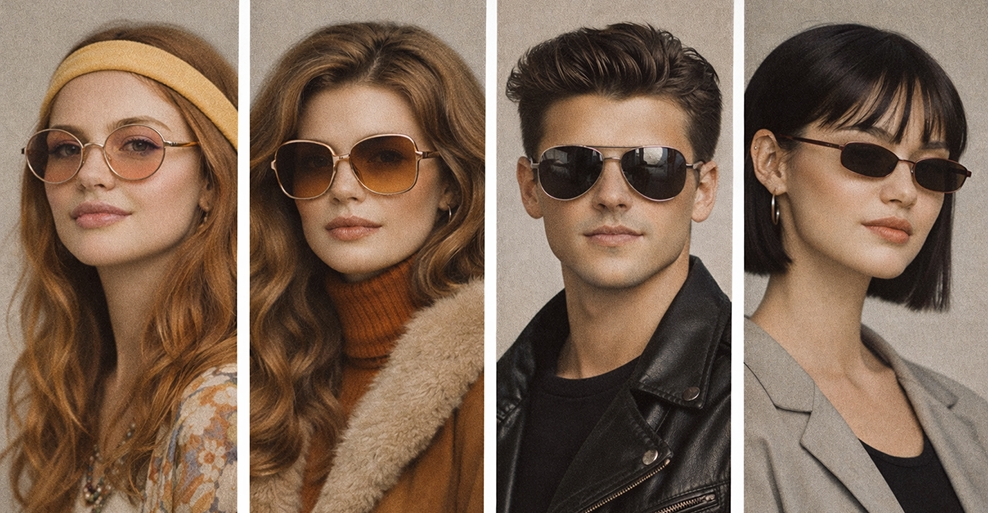
Retro glasses are still a big deal in today's fashion world, mixing old-school vibes with new design. Every decade's eyewear tells a story about what people cared about and how they wanted to be seen. This guide takes a look at the classic glasses and sunglasses styles that defined the 1960s to the 1990s, and how they're being updated now. Think of the dramatic cat-eye from the 60s, the big frames of the 80s, and the sleek, simple styles of the 90s.
The 1960s: Bold Innovation and Rebellious Spirit
The 1960s marked a revolutionary shift in eyewear, where glasses became bold statements of individuality rather than mere necessities.
Cultural and Fashion Background
Eyewear design was significantly shaped by the hippie movement and its embrace of artistic exploration. The prevailing fashion conventions were supplanted by a focus on personal expression. Consequently, glasses evolved from mere utilitarian objects into instruments of self-identity, thereby establishing a precedent for the creative liberties that would characterize subsequent periods, such as the 80s sunglasses and 90s sunglasses eras.
Key Design Characteristics
Round, square, and oval frames became ubiquitous. The use of large dimensions amplified their visual presence, and vibrant hues, along with textured surfaces, contributed to the retro vibe. These daring design decisions laid the groundwork for years of distinctive eyewear.
Iconic Frames and Modern Updates
Round and square frames have transformed into sleek, contemporary styles that are easy to wear. Oval and cat-eye frames, meanwhile, have kept their grace, though their proportions are now more subtle. Browline frames have been reimagined, incorporating better materials and comfort, a testament to the enduring influence of the 60s.
The 1970s: Retro-Chic and Free-Spirited Style
The 1970s brought a wave of liberated, glamorous energy to eyewear, with 70s sunglasses becoming symbols of disco glamour and bohemian freedom.
Cultural and Fashion Background
Disco culture brought glamour and boldness into everyday fashion. Bohemian lifestyles encouraged mixing styles freely. Eyewear became increasingly unisex and expressive, setting the stage for the bold 80s fashion glasses that followed.
Key Design Characteristics
Aviator sunglasses evolved from their practical beginnings into a fashion essential. The frames grew thicker, and the shapes became more pronounced. Gradient lenses, along with warm color palettes, came to define the visual style of the era, resulting in a look that was both laid-back and eye-catching.
Iconic Frames and Modern Updates
Aviator frames are evolving, prioritizing a more comfortable fit without sacrificing their timeless appeal. Square and geometric shapes are being softened, making them more suitable for everyday use. Cat-eye frames, meanwhile, are blending bold curves with contemporary usability, successfully channeling the essence of the 70s in current designs.
The 1980s: Statement Frames and Visual Impact
The 1980s were all about bold, unapologetic style — and eyewear became one of the loudest statements of the decade.
Cultural and Fashion Background
Rising consumer culture emphasized individuality and confidence. Street style influenced mainstream eyewear trends. Excess and boldness became design priorities, creating a foundation that echoed forward into the sleek minimalism of 90s glasses.
Key Design Characteristics
Oversized frames were everywhere, in both glasses and sunglasses. The chunky designs lent a certain heft and impact, and the vibrant colors and bold contrasts ensured the eyewear was impossible to miss.
Iconic Frames and Modern Updates
Oversized square frames are resized for comfort without losing attitude. Rectangle frames are refined for versatility across occasions. Geometric frames adopt lighter materials and muted color palettes, blending the decade’s drama with today’s wearability — a direct evolution from the free-spirited 70s glasses that preceded them.
The 1990s: Minimalism and Functional Cool
The 1990s shifted eyewear toward clean, understated designs that prioritized function and effortless cool, a stark contrast to the bold excess of earlier decades.
Cultural and Fashion Background
Minimalist fashion replaced the excesses of earlier decades. Casual eyewear choices were influenced by grunge and streetwear. As a result, functionality became a key design element, moving away from the dramatic 80s sunglasses and toward more practical, everyday styles.
Key Design Characteristics
Smaller, sleeker frames became the norm. Rimless and semi-rimless styles, with their understated look, were everywhere. Sporty designs also made their way into daily wear, bringing a relaxed, practical vibe.
Iconic Frames and Modern Updates
Rimless frames now boast enhanced durability, thanks to contemporary materials. Small, oval frames are designed to boost visual acuity and comfort. Wrap-around styles offer a refined fit, preserving their practical purpose. They evoke the 1990s aesthetic, while also paying homage to the innovative 60s glasses, which sparked earlier design experimentation.
Conclusion
Vintage eyewear trends still cast a long shadow over contemporary designs. Every era brings its own unique flair to the current fashion scene. Today's reinterpretations of these classic frames prioritize comfort, functionality, and everyday wearability.
Travel through decades of style with frames that never go out of fashion. At GlassesShop, explore iconic glasses and sunglasses from the 60s to 90s fashion. Mix retro charm with modern comfort and make every look unforgettable. Try our Face Shape Detector to find the perfect fit, and enjoy Buy One Get One Free plus free shipping on orders over $69.