What Is Mucus Fishing Syndrome?
Feb 24, 2026
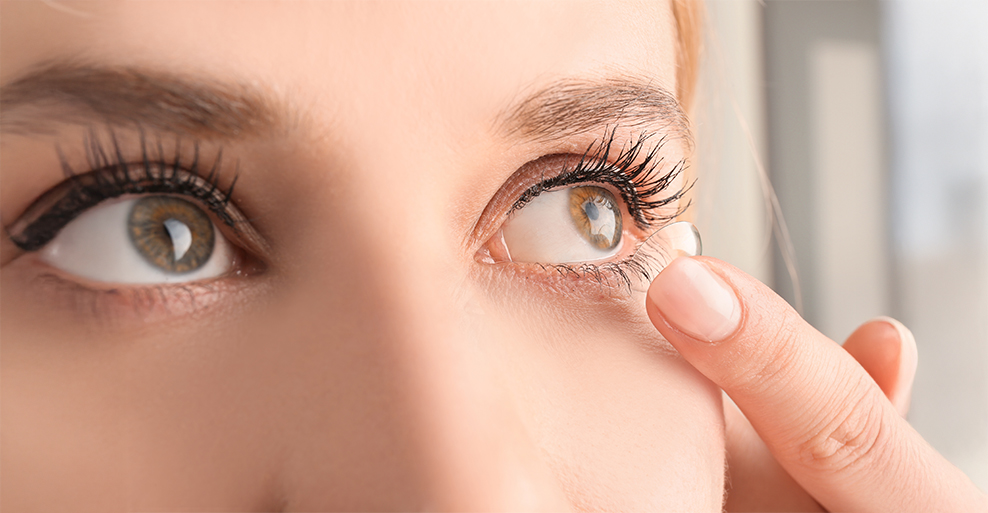
Mucus fishing syndrome is a long-term eye problem that happens when the eyes are irritated over and over again. It is often linked to stringy eye mucous that doesn't go away and touching your eyes all the time. Things you do every day, including what kind of glasses you wear, can make your symptoms worse. This tutorial goes over the cycle, frequent triggers, and useful techniques to disrupt it so that your eyes are clearer and more comfortable.
Understanding Mucus Fishing Syndrome
Mucus fishing syndrome is an annoying eye condition that keeps getting worse and worse. It frequently begins out innocently but quickly turns into a long-term problem. Here's a clear picture of how it grows and why stringy eye mucus is so important.
What Is Mucus Fishing Syndrome and How It Starts?
Mucus fishing syndrome begins with irritation of the ocular surface — often from dry eyes, allergies, or contact lens use. Taking out eye discharge over and over again makes inflammation worse, turning a small habit into a long-term cycle. The issue gets worse over time because the eye makes more mucus when it is hurt.
Why Stringy Eye Mucus Is a Core Feature of Mucus Fishing Syndrome?
When the tear film equilibrium is off, stringy eye mucus occurs. This causes thick, rope-like discharge that sticks to the eye. This mucus makes things worse and makes it hard to see, which leads to constant eye rubbing or touching, which is what the syndrome is all about. Because it has a stringy feel, it's quite tempting to "fish" it out, which keeps the cycle going.
The Vicious Cycle of Stringy Eye Mucus and Mucus Fishing Syndrome
When your eyes are irritated, they make more mucus. Taking out the eye manually hurts the delicate tissues, which makes the inflammation worse. More irritation means more stringy eye mucus, which makes the user want to start the behavior again. To break this cycle, you usually need to deal with the cause of the discomfort (dryness, allergies, or wrong eyewear) and fight the temptation to touch.
Causes and Contributing Factors of Mucus Fishing Syndrome
Mucus fishing syndrome rarely starts on its own — it’s usually triggered and sustained by underlying eye issues, environmental factors, and everyday habits. Here’s a breakdown of the most common causes and contributors.
Underlying Eye Conditions That Trigger Mucus Fishing Syndrome
Dry eye syndrome alters tear composition, leading to thicker, stringier mucus as the eye overcompensates. Allergies stimulate mucus-producing cells, creating persistent discharge. Chronic inflammation maintains ongoing symptoms, keeping the irritation cycle alive even after the initial trigger fades.
Why Stringy Eye Mucus Persists Throughout the Day?
When the air is dry, tears evaporate faster, which makes mucus thicker and stringier. Using a screen for a long time lowers the blink rate, which lets mucus build up and get thicker. It becomes harder to clear mucus on its own, which makes you want to fish it out again and again.
How Eyewear Habits Can Influence Mucus Fishing Syndrome?
Ill-fitting frame glasses may disrupt airflow around the eyes, trapping heat and moisture that worsens irritation. Lack of eye protection exposes eyes to dust and dry air, increasing mucus production. Frequent adjustment of glasses — especially with uncomfortable eyeglasses nose pads or adhesive nose pads for glasses — can increase eye touching behaviors, feeding the cycle.
Symptoms and Diagnosis of Mucus Fishing Syndrome
Mucus fishing syndrome is often self-diagnosed by patients long before they seek professional help, because the cycle feels impossible to break. Here’s what it typically looks like and how eye care professionals identify it.
Common Symptoms of Mucus Fishing Syndrome
Continuous or recurring stringy eye mucus that feels sticky and clings to the eye.
Redness, burning, or foreign body sensation that worsens throughout the day.
Temporary relief after mucus removal — followed by rapid re-accumulation, driving the urge to touch again.
How Stringy Eye Mucus Differs From Normal Eye Discharge?
Normal discharge is little, watery, or crusty, and it clears up on its own. Stringy eye mucus is elastic, stretchy, and rope-like, and it often comes back soon after you get rid of it. It sticks stubbornly and is more irritating than normal discharge, which makes you want to "fish" it out.
How Eye Care Professionals Diagnose Mucus Fishing Syndrome?
Diagnosis depends on the patterns of symptoms and the practices that people report. Most of the time, patients describe their own fishing behavior. Doctors look for underlying problems with the eye surface, such as dry eye, blepharitis, or allergies. The use of spectacles and daily visual habits may also be looked at, since frames or nose pads for eyeglasses that don't fit right can create pressure or irritation. Lightweight rimless eyeglasses are sometimes suggested to lessen mechanical irritation.
Managing Mucus Fishing Syndrome in Daily Life
Mucus fishing syndrome is a habit-driven cycle that can be broken with consistent, gentle changes. Here’s how to interrupt the pattern, soothe the eyes, and choose eyewear that supports healing.
Breaking the Habit That Sustains Mucus Fishing Syndrome
Don't pull out stringy eye mucous by hand; doing so makes irritation worse and starts the cycle over again. Use lubricating eye drops instead of touching your eyes to naturally break up mucus. To become better, you need to be aware of your behavior. Keep track of what makes you want to do something (such dry air, screen time, or allergies) and then consciously change your mind.
Supporting Eye Comfort to Reduce Stringy Eye Mucus
Use artificial tears without preservatives to keep the tear film stable and thin out the mucus. Control how much time you spend in front of a screen and make an effort to blink more often to avoid dryness. Keep your frame glasses clean and well-fitted to reduce mechanical irritation that can make the condition worse.
Choosing Eyewear to Help Prevent Mucus Fishing Syndrome
To keep your frames from slipping, pick frame glasses with adjustable eyeglasses nose pads (or adhesive nose pads for glasses). This will cut down on the number of times you have to adjust them, which could lead to eye contact. Choose lightweight materials like titanium or TR90. These materials put less pressure on the nose bridge and eye area, which reduces skin and eye irritation. Stay away from frames that are too hefty or not well-balanced, since these can make you more conscious of your eyes and make you want to touch them more. Make sure the frame width and temple length are correct so that the glasses stay in place during everyday activities.
Conclusion
Mucus fishing syndrome is driven by irritation and repeated eye touching. Persistent stringy eye mucus is both a symptom and a trigger, creating a frustrating self-perpetuating cycle. Proper eye care, healthy habits, and suitable frame glasses can support long-term relief and help break the pattern.
Eye comfort matters just as much as clear vision. At GlassesShop, we believe taking care of your eyes starts with reducing irritation and choosing eyewear that supports everyday comfort. When your eyes need a break, switching to well-fitted prescription glasses can help you see clearly without added strain. Explore lightweight frames, updated lenses, and styles made for all-day wear. Use our Face Shape Detector to find your best fit, and enjoy Buy One Get One Free plus free shipping on orders over $69 — because healthier eyes deserve thoughtful eyewear choices.